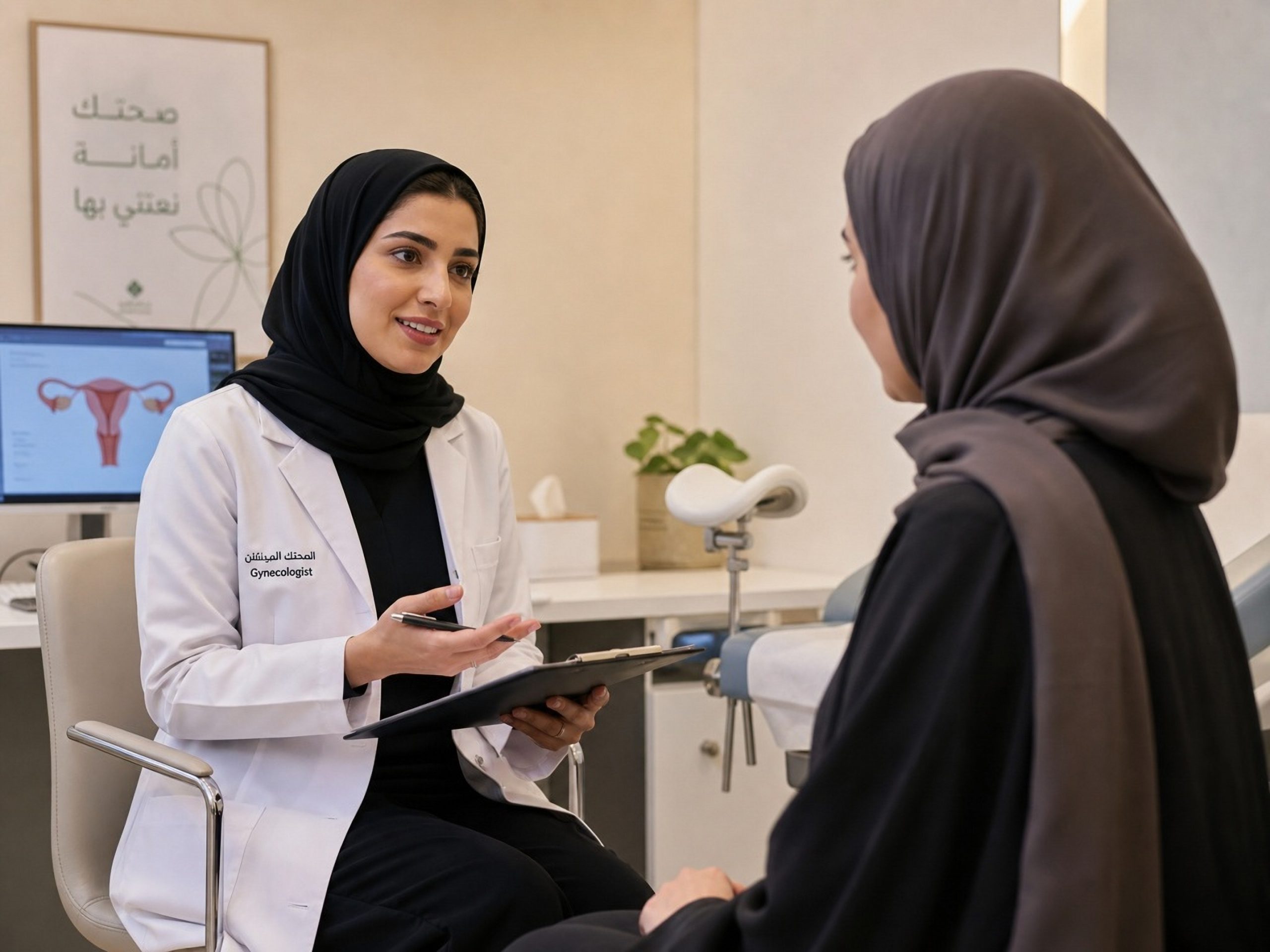
Booking a first fertility assessment can feel like a big step, even when it is simply a check. Many women arrive unsure what will happen, whether it will be uncomfortable, or what the results might mean. The reassuring reality is that a first assessment is designed to understand your fertility, not to judge it, and knowing what to expect makes the whole visit easier.
This guide walks through a typical first female fertility assessment in Abu Dhabi. It covers what happens at the consultation, the tests involved and what each one looks at, why your partner is part of the process, and how the results turn into a plan. The aim is to help you walk in prepared rather than anxious.
What the Assessment Is For
Before the tests, it helps to know the purpose. A fertility assessment builds a picture of your reproductive health, so that any plan is based on your situation rather than guesswork. It is often the first thing a couple does when a pregnancy has not happened in the expected time, though plenty of women also come to understand their options before they start trying, or before a decision like egg freezing.
Whatever the reason, the assessment is a starting point, not a verdict. It gathers information. What that information means for you is something a specialist interprets with you, which is why the conversation matters as much as the tests.
The Consultation and What to Bring
Your first visit usually begins with a conversation rather than a procedure. A fertility specialist will ask about your menstrual cycle, your medical and surgical history, any previous pregnancies, your lifestyle, and how long you have been trying, if you are. It helps to come prepared. Bring the dates of your recent cycles, any earlier test results or scans, and a list of your medications, and write down any questions of your own, because they are easy to forget in the moment.
This history often shapes which tests are useful, so an honest and detailed conversation saves time later. From there, your specialist explains which of the tests below apply to you.
The Tests, and What Each One Looks At
A female fertility test in Abu Dhabi is rarely a single test. It is usually a small set, each one answering a different question.
- Hormone blood tests check the hormones that govern ovulation and egg supply. One of the most useful is AMH, which gives a sense of your ovarian reserve, meaning the number of eggs you have. Others may be taken on specific days of your cycle, so the timing is planned with you.
- A pelvic ultrasound, usually transvaginal, looks at your ovaries and uterus. It can count the small resting follicles on the ovaries and check for anything, such as fibroids or cysts, that might affect fertility.
- A tubal check, if it is needed, examines whether your fallopian tubes are open, since blocked tubes are a common and treatable factor.
It is worth knowing that these tests describe your reproductive health; they do not predict a single outcome. A result on the lower or higher side is information to discuss, not a conclusion on its own.
Your Partner Is Part of the Picture
Fertility is rarely a one-person question, which is why a first assessment usually involves both partners. In around half of couples who have difficulty conceiving, a male factor plays a part, so a semen analysis is a standard step alongside the female tests.
The test itself is simple. A sample is provided, and the laboratory assesses the number of sperm present, along with how well they move and their shape. Looking at both partners from the start means the plan is built on the full picture rather than half of it, and it avoids repeating the process later. For couples searching for semen analysis in Abu Dhabi, it is usually arranged as part of the same assessment.
Getting Your Results and the Plan
Once the tests are back, you return to discuss them together, and this is the part that turns numbers into meaning. Your specialist explains what each result suggests, how they fit together, and what the sensible next steps are, whether that is simple advice, further tests, or a specific treatment.
A first assessment can also stir up emotion, and that is normal. Many patients feel more than they let on at this stage, so a good clinic gives you time and clear answers rather than a rushed verdict. Nothing here is a guarantee, in either direction. The assessment gives you and your specialist the information to decide what comes next, with realistic expectations.
Doing This in Abu Dhabi or Dubai
Where you have your assessment matters less than the quality of the clinic, but location is a practical consideration. In Abu Dhabi, fertility clinics are licensed by the Department of Health (DOH); in Dubai, by the Dubai Health Authority (DHA). Both require licensed facilities and qualified specialists.
For anyone weighing a fertility check up in Dubai against one in Abu Dhabi, it is worth knowing that many Dubai residents travel for care, and the drive to Mohamed Bin Zayed City in Abu Dhabi is around 60 to 90 minutes. A well-equipped Abu Dhabi clinic is a realistic option for Dubai couples, not a distant one.
Where Trust Fertility Fits
Trust Fertility carries out female and male fertility assessments in Abu Dhabi, inside Burjeel Medical City in Mohamed Bin Zayed City, under DOH licence MF7820, and as part of the Burjeel Holdings healthcare network. Its reproductive medicine programme is led by Dr. Walid Reda Sayed, a fertility specialist in Abu Dhabi with more than three decades of experience.
The approach is the one this article describes. A proper conversation comes first, then the right tests rather than every test, then results explained clearly, so you leave with understanding rather than a printout. Every fertility journey is unique, and yours starts with an accurate picture of where you are.
Take the Next Step
If you are thinking about a fertility assessment, the most useful first step is to book the initial consultation and let a specialist guide the rest. You will leave with a clearer understanding of your fertility and a plan suited to you, rather than guesswork.
Speak to a fertility specialist at Trust Fertility, or book your assessment to get started. Every situation is different, and the right plan begins with understanding yours.