Somewhere deep within the ovary, Agent 00, the egg, waits patiently for its call to action. Surrounded by thousands of other eggs, it has spent months, sometimes years, preparing for a mission it may never receive. Then one day, the signal arrives. Hormones surge, the environment changes, and after a lifetime of waiting, Agent 001 is finally selected. Its assignment is unlike any other: create human life.
The mission begins with a rendezvous. Agent 001 cannot complete the operation alone. It carries only half of the information required. The remaining instructions are being carried by another operative entirely: the sperm cell, Agent 002. After an extraordinary journey, Agent 002 finally reaches its destination. When the two meet, they exchange their classified information, combining their genetic blueprints to create something entirely new. In that instant, Agent 001 and Agent 002 cease to exist. A new operative takes their place.
The embryo has entered the mission.
In nature, this rendezvous takes place within the fallopian tube. In IVF, however, Mission Control helps make the meeting possible. At Trust Fertility Abu Dhabi, eggs are carefully retrieved and assessed by our embryology team, while sperm samples undergo preparation and selection to identify the most suitable candidates for fertilization. Depending on the treatment plan, fertilization may occur through conventional IVF, where egg and sperm are introduced to one another in a laboratory dish, or through Intracytoplasmic Sperm Injection (ICSI), where a single sperm is carefully introduced directly into the egg. Different routes, same mission.
At first glance, the embryo doesn’t seem particularly impressive. Under a microscope, it appears as a single cell. But appearances can be deceiving. Behind the scenes, a flurry of activity is already underway. Instructions are being activated, systems are coming online, and preparations are being made for the challenges ahead. Every piece of information inherited from the egg and sperm must work together perfectly if the mission is to succeed.
Within hours, the embryo reaches its first checkpoint. It divides into two cells. Soon after, four cells appear. Then eight. To an outside observer, these divisions may seem routine, but each one is a critical test. Every successful division demonstrates that the mission remains on track. Every stage completed is another obstacle overcome.
Meanwhile, a team of specialists observes the operation from Mission Control. Inside the IVF laboratory, embryologists monitor the embryo’s progress closely. They assess the timing of cell divisions, evaluate development, and search for clues about whether this tiny operative has what it takes to continue. Some embryos advance smoothly through every stage. Others encounter difficulties and are unable to proceed. Human reproduction is far more selective than most people realize.
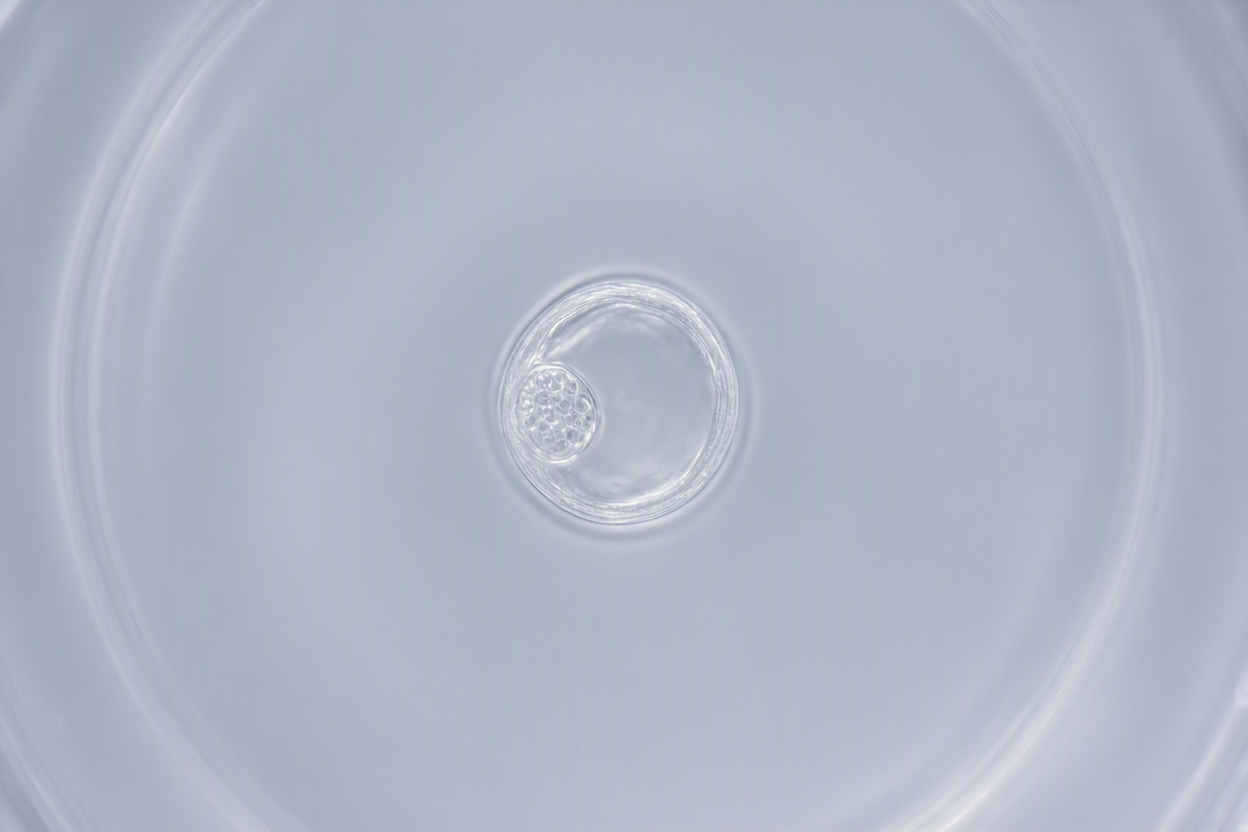
As the days pass, the embryo continues moving toward its next objective. Around day five, it undergoes a remarkable transformation. No longer a simple cluster of dividing cells, it begins organizing itself into specialized groups. One group is assigned the task of becoming the baby itself. Another is tasked with constructing the placenta, the life-support system that will provide oxygen, nutrients, and protection throughout pregnancy. The embryo is no longer simply growing—it is planning.
This stage marks one of the most important decisions made by Mission Control. At Trust Fertility Abu Dhabi, embryologists carefully monitor embryo development throughout the culture period, assessing growth patterns, developmental milestones, and overall progression. While every embryo is unique, these observations help identify which operatives appear best prepared for the next phase of the mission. The goal is always the same: to select the embryo with the strongest potential to continue its journey.
By this point, the embryo has already survived challenges that many others could not. Yet its greatest test is still ahead. The target has always been the uterus. Everything up until now has merely been preparation.
With the operative selected, Mission Control prepares for deployment. During embryo transfer, the chosen embryo is carefully loaded into a specialized catheter and gently placed within the uterus. The procedure itself takes only a few minutes, but it represents the culmination of days of development, observation, and planning. The operative has arrived at its destination.
Once transferred into the uterus, the embryo enters unfamiliar territory. This stage of the mission is delicate and complex. The embryo cannot simply arrive and settle in. It must communicate with the uterine lining, exchange signals, and establish that the environment is ready to support its continued development. Scientists often describe implantation as a conversation, but it is more like a carefully coordinated negotiation. Both sides must agree before the mission can move forward.
If the timing is right and the conditions are favorable, the embryo begins to implant. It anchors itself within the uterine lining and establishes the first connection that will sustain it throughout pregnancy. What began as a single cell now takes the first step toward becoming a fetus, a newborn, and eventually a person.
Most people never witness this incredible operation. It unfolds quietly over the course of a few days, hidden behind laboratory doors and beyond the limits of human vision. Yet every pregnancy begins with the same extraordinary mission. Before the heartbeat, before the ultrasound, and before the baby, there is an embryo—a tiny secret agent carrying a unique blueprint and attempting one of nature’s most remarkable feats.
At Trust Fertility Abu Dhabi, we like to think of ourselves as Mission Control. While Agent 001 and Agent 002 may begin the operation, our team of fertility specialists and embryologists works tirelessly behind the scenes to support every stage of the mission. From advanced laboratory techniques and embryo culture to personalized treatment plans and careful monitoring, our goal is simple: to provide each embryo with the optimal conditions needed to complete its journey. Because every successful mission deserves the best possible team supporting it from the ground.